
If you are planning a landscaping or construction project, you may wonder how many cubic feet in a yard of gravel there are. This is one of the most common questions homeowners, landscapers, and contractors ask when ordering gravel for driveways, patios, walkways, drainage systems, or garden projects.
The answer is simple:
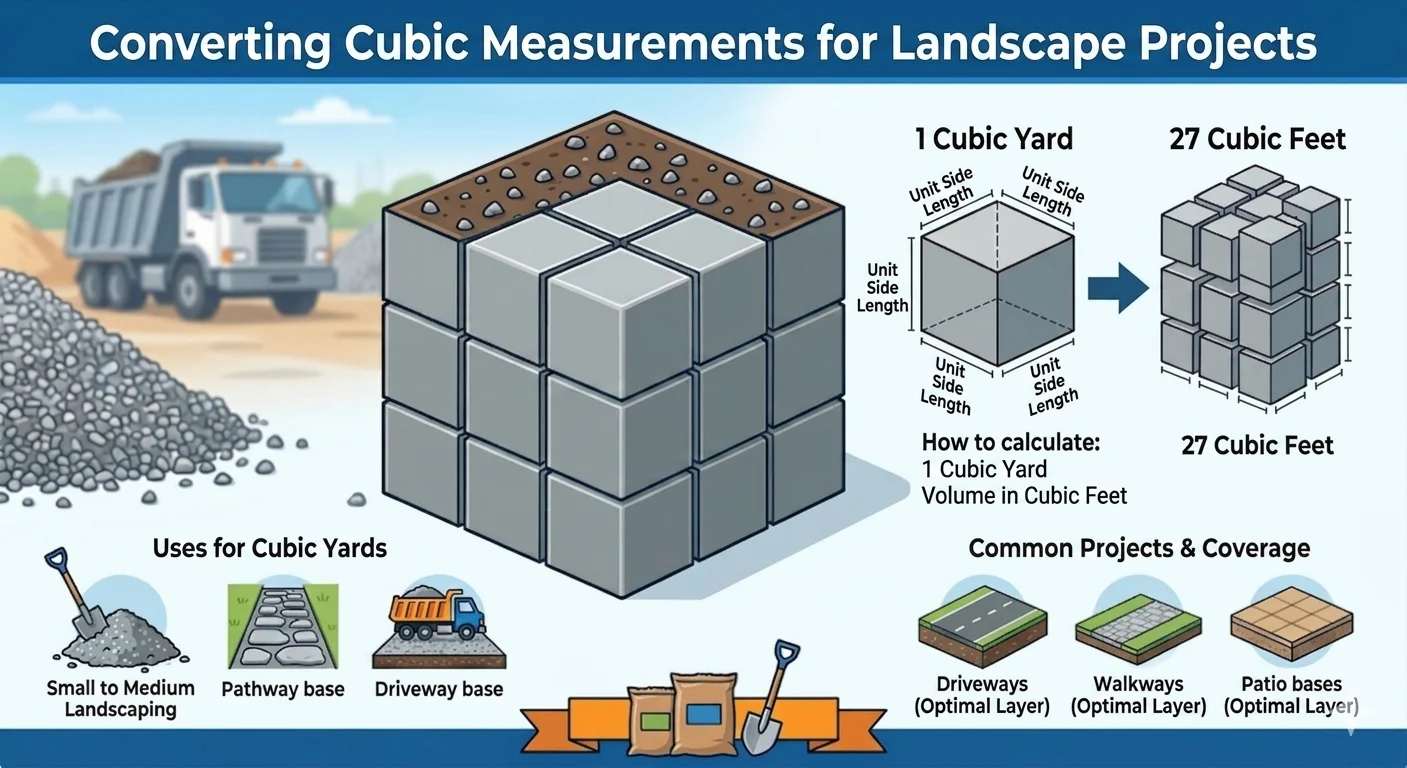
That means one cubic yard of gravel contains exactly 27 cubic feet of material. Understanding this conversion helps you estimate the right amount of gravel, avoid overspending, and reduce waste during your project.
Whether you are filling a driveway, building a patio base, or improving landscape drainage, knowing gravel measurements can save both time and money.
Understanding Cubic Feet and Cubic Yards
Before calculating gravel needs, it helps to understand the difference between cubic feet and cubic yards.
What Is a Cubic Foot?
A cubic foot is a unit of volume that measures a space that is:
Cubic feet are commonly used for:
- Small landscaping projects
- Bagged gravel
- Soil and mulch measurements
- Storage volume
What Is a Cubic Yard?
A cubic yard is a larger volume measurement. It represents a cube that measures:
When multiplied together:
This is why one cubic yard equals 27 cubic feet.
Most gravel suppliers sell gravel by the cubic yard because it is easier for larger quantities.
Why Gravel Is Measured in Cubic Yards
Gravel is usually measured by volume instead of individual stones because stone sizes vary. Using cubic yards creates a standard method for buying and transporting bulk material.
Measuring gravel by cubic yards helps:
- Estimate truck capacity
- Calculate project coverage
- Compare pricing
- Simplify ordering
For example, a standard dump truck may carry 10 to 14 cubic yards of gravel depending on the truck size and weight restrictions.
How Many Cubic Feet Are in a Yard of Gravel?
The exact conversion is always:
This applies to all gravel types, including:
- Crushed stone
- Pea gravel
- River rock
- Limestone gravel
- Decorative gravel
The material may differ in weight and density, but the cubic yard conversion remains the same.
Gravel Conversion Chart
Here is a quick conversion chart for gravel measurements.
| Cubic Yards | Cubic Feet |
|---|---|
| 1/4 Yard | 6.75 Cubic Feet |
| 1/2 Yard | 13.5 Cubic Feet |
| 3/4 Yard | 20.25 Cubic Feet |
| 1 Yard | 27 Cubic Feet |
| 2 Yards | 54 Cubic Feet |
| 3 Yards | 81 Cubic Feet |
| 5 Yards | 135 Cubic Feet |
This chart is useful when comparing bulk gravel to bagged gravel.
How to Calculate Gravel Needed
Calculating gravel volume is easier than many people think.
Step 1: Measure the Area
Measure:
- Length
- Width
- Desired depth
Example:
- Length = 20 feet
- Width = 10 feet
- Depth = 3 inches
Step 2: Convert Depth Into Feet
Depth must always be converted into feet before calculating volume.
Step 3: Use the Volume Formula
Use this formula:
For the example:
Now convert cubic feet into cubic yards:
You would need approximately 2 cubic yards of gravel.
Gravel Coverage by Depth
The amount of area one cubic yard covers depends on the depth of the gravel.
| Gravel Depth | Coverage Per Cubic Yard |
|---|---|
| 1 Inch | About 324 sq ft |
| 2 Inches | About 162 sq ft |
| 3 Inches | About 108 sq ft |
| 4 Inches | About 81 sq ft |
Shallow depths cover more space, while deeper layers provide stronger support.
Common Gravel Project Examples
Gravel Driveway
Driveways usually require 4 to 6 inches of gravel.
Example driveway:
- 20 feet wide
- 40 feet long
- 4 inches deep
Calculation:
Convert to cubic yards:
You would need around 10 cubic yards of gravel.
Garden Path
A small garden path measuring:
- 3 feet wide
- 20 feet long
- 2 inches deep
Would require approximately:
- 10 cubic feet
- Less than half a cubic yard
Patio Base
For a 12 × 12 patio base at 4 inches deep:
That equals roughly:
- 1.8 cubic yards
Comparing Bagged Gravel to Bulk Gravel
Many homeowners buy gravel in bags for smaller projects. However, bulk gravel becomes more cost-effective for larger jobs.
Bagged Gravel
Common bag sizes:
- 0.5 cubic feet
- 0.75 cubic feet
To equal one cubic yard:
You would need about 54 half-cubic-foot bags.
Bulk Gravel
Bulk gravel advantages:
- Lower cost per cubic foot
- Easier for large projects
- Faster delivery
- Less packaging waste
Bulk delivery is usually the best option for driveways and large landscaping projects.
Types of Gravel and Their Uses
Different projects require different gravel types.
Pea Gravel
Pea gravel contains smooth, rounded stones.
Best for:
- Walkways
- Decorative landscaping
- Gardens
Pros:
- Attractive appearance
- Comfortable to walk on
Cons:
- Shifts easily
- Poor compaction
Crushed Stone
Crushed stone features rough edges that lock together.
Best for:
- Driveways
- Foundations
- Drainage systems
Pros:
- Excellent stability
- Strong compaction
Cons:
- Rough texture
River Rock
River rock is smooth and decorative.
Best for:
- Water features
- Landscape borders
- Decorative areas
Pros:
- Natural appearance
- Long-lasting
Cons:
- Expensive
- Not ideal for structural support
How Much Does a Yard of Gravel Weigh?
Weight matters when transporting gravel.
A cubic yard of gravel usually weighs:
- 2,400 to 3,000 pounds
- Around 1.2 to 1.5 tons
However, the actual weight depends on:
- Stone size
- Moisture content
- Gravel type
- Compaction
Wet gravel weighs more than dry gravel.
Common Mistakes When Ordering Gravel
Ordering gravel incorrectly can waste money and delay projects.
Forgetting to Convert Inches to Feet
Depth measurements must always be converted into feet before calculations.
Underestimating Gravel Depth
Too little gravel can cause poor drainage and unstable surfaces.
Ignoring Compaction
Gravel settles over time, especially on driveways. Ordering slightly extra helps compensate for settling.
Measuring Incorrectly
Even small measuring mistakes can significantly affect the total amount needed.
Expert Tips for Buying Gravel
Professionals use several strategies to improve gravel projects.
Add Extra Material
Ordering 5–10% extra gravel helps cover uneven areas and future settling.
Choose the Right Gravel Type
Use crushed stone for stability and pea gravel for decorative projects.
Use Landscape Fabric
Landscape fabric beneath gravel:
- Reduces weeds
- Improves drainage
- Extends gravel lifespan
Compare Supplier Prices
Prices vary based on:
- Gravel type
- Delivery distance
- Quantity ordered
Getting multiple quotes can save money.
FAQs
How many cubic feet are in 2 yards of gravel?
Two cubic yards equal:
How many bags of gravel equal one cubic yard?
If each bag contains 0.5 cubic feet:
You need approximately 54 bags.
How much area does one yard of gravel cover?
Coverage depends on depth:
- 324 sq ft at 1 inch
- 162 sq ft at 2 inches
- 81 sq ft at 4 inches
Is gravel sold by weight or volume?
Most suppliers sell gravel by cubic yard, although some also price it by ton.
How deep should driveway gravel be?
Most driveways require:
- 4 to 6 inches of gravel
Heavy-use driveways may require deeper gravel layers.
Conclusion
Understanding how many cubic feet in a yard of gravel is essential for landscaping, driveway construction, and outdoor improvement projects. Since one cubic yard equals 27 cubic feet, you can accurately estimate gravel quantities and avoid costly mistakes.
Whether you are building a driveway, creating a garden path, or installing a patio base, proper gravel calculations help improve efficiency, reduce waste, and save money. By measuring carefully and choosing the right gravel type, you can complete your project with confidence and better results.