
If you are buying fabric for sewing, quilting, clothing, or home decoration, understanding fabric measurements is important. One of the most common questions beginners ask is: how many feet are in a yard of fabric?
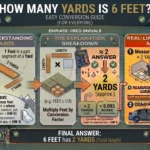
The simple answer is that one yard of fabric equals 3 feet. Since fabric is commonly sold by the yard, knowing this conversion helps you purchase the correct amount of material for your project.
Fabric measurements can sometimes be confusing because fabric has two important dimensions: length and width. A yard refers to the length of the fabric, while the width depends on the type of fabric you purchase.
This guide explains how many feet are in a yard of fabric, how fabric is measured, how to convert yards into feet, and how to calculate the right amount of fabric for different projects.
Understanding How Many Feet Are in a Yard of Fabric
A yard is a standard measurement unit used for fabrics and textiles. In the United States and many other regions, fabric is usually sold by the yard.
The basic conversion is:
1 yard = 3 feet
Because:
- 1 foot = 12 inches
- 1 yard = 36 inches
This means a single yard of fabric is 36 inches long or 3 feet long.
Examples:
- 2 yards of fabric = 6 feet
- 3 yards of fabric = 9 feet
- 5 yards of fabric = 15 feet
- 10 yards of fabric = 30 feet
To convert yards into feet, simply multiply the number of yards by 3.
Formula:
Number of feet = Number of yards × 3
For example:
If you have 7 yards of fabric:
7 × 3 = 21 feet
So, 7 yards of fabric equals 21 feet.
What Is a Yard of Fabric?
A yard of fabric is a piece of material that measures 36 inches in length. Fabric stores use yards as a standard way to sell materials.
When you buy one yard of fabric, you are not necessarily buying a square piece. The fabric length will always be 36 inches, but the width can vary.
Common fabric widths include:
- 36 inches
- 44–45 inches
- 54 inches
- 58–60 inches
For example, one yard of cotton fabric may measure:
- 36 inches long
- 45 inches wide
While one yard of upholstery fabric may measure:
- 36 inches long
- 60 inches wide
Both are one yard of fabric because the length is the same.
Why Is Fabric Sold by the Yard?
Fabric is sold by the yard because it makes measuring and purchasing easier. Sewing patterns, clothing designs, and craft projects usually calculate fabric requirements using yards.
Examples:
- A shirt may require 2 yards of fabric.
- A dress may require 3 to 5 yards.
- Curtains may require several yards depending on the window size.
Buying fabric by the yard allows customers to purchase exactly what they need instead of buying an entire fabric roll.
Fabric Yard Conversion Chart
| Yards of Fabric | Feet | Inches |
|---|---|---|
| 1 yard | 3 feet | 36 inches |
| 2 yards | 6 feet | 72 inches |
| 3 yards | 9 feet | 108 inches |
| 4 yards | 12 feet | 144 inches |
| 5 yards | 15 feet | 180 inches |
| 10 yards | 30 feet | 360 inches |
This simple chart can help when planning sewing or decorating projects.
Understanding Fabric Length and Width
Many beginners confuse fabric length with fabric width.
The yard measurement only describes the length of the material. The width depends on the fabric type.
For example:
A fabric piece that is 2 yards long and 45 inches wide is still called 2 yards of fabric.
A fabric piece that is 2 yards long and 60 inches wide is also 2 yards of fabric.
The difference is the amount of usable material available.
Wider fabrics may allow you to complete a project using fewer yards.
Linear Yard vs Square Yard
Another common confusion is the difference between a linear yard and a square yard.
A linear yard measures length only.
- 1 linear yard = 3 feet long
A square yard measures area.
- 1 square yard = 9 square feet
Fabric is usually sold by the linear yard. The width is included separately in the product description.
For example, if you buy one yard of fabric that is 60 inches wide, you are buying one linear yard, not one square yard.
Real Examples of Fabric Measurements
Clothing Projects
The amount of fabric needed for clothing depends on the design, size, and fabric width.
Examples:
- A simple blouse may need around 2 yards.
- A skirt may need 2 to 3 yards.
- A long dress may require 4 or more yards.
Understanding that one yard equals 3 feet helps you estimate the total fabric length.
Quilting Projects
Quilters often purchase fabric by the yard for large projects.
For example:
If a quilt requires 8 yards of fabric:
8 × 3 = 24 feet
The quilter is purchasing 24 feet of fabric length, with the final usable amount depending on the fabric width and cutting pattern.
Home Decoration Projects
Fabric measurements are also important for:
- Curtains
- Table covers
- Cushion covers
- Upholstery projects
Before purchasing fabric, measure the project carefully and consider extra material for seams, folds, and adjustments.
How to Calculate How Much Fabric You Need
Follow these simple steps:
Step 1: Measure Your Project
Measure the length and width of the item you want to create.
Examples:
- Curtain length
- Clothing measurements
- Cushion dimensions
Step 2: Check Fabric Width
Always check the fabric width before buying.
A wider fabric may reduce the number of yards required.
Step 3: Add Extra Fabric
Extra fabric is useful for:
- Sewing mistakes
- Hem adjustments
- Pattern matching
- Shrinkage after washing
Step 4: Convert Measurements
If you know the required length in feet, divide by 3 to convert it into yards.
Example:
You need 18 feet of fabric.
18 ÷ 3 = 6 yards
You should buy 6 yards of fabric.
Common Fabric Measurement Mistakes
Confusing Feet and Yards
A foot and a yard are different measurements.
Remember:
1 yard = 3 feet
Ignoring Fabric Width
Two fabrics may both be one yard long but provide different amounts of usable material because their widths are different.
Buying Exactly the Required Amount
Buying the exact amount of fabric can cause problems if mistakes happen during cutting.
It is often better to purchase a little extra material.
Assuming All Fabric Has the Same Size
Different fabrics come in different widths. Always check the product details before purchasing.
Expert Tips for Buying Fabric
- Measure your project before shopping.
- Check both fabric length and width.
- Buy extra fabric for adjustments.
- Wash fabric before sewing if shrinkage is possible.
- Keep a yard-to-feet conversion chart available.
- Read online fabric descriptions carefully.
These simple steps can save money and prevent mistakes.
Frequently Asked Questions
How many feet are in one yard of fabric?
One yard of fabric equals 3 feet. This is the standard conversion used for fabric measurements.
How many inches are in a yard of fabric?
One yard of fabric equals 36 inches.
Does one yard of fabric always have the same width?
No. The length is always 36 inches, but the width varies depending on the fabric type.
How many yards of fabric do I need for sewing?
The amount depends on your project size, pattern, fabric width, and design. Always check measurements before buying.
Is a yard of fabric the same as a square yard?
No. A yard measures length, while a square yard measures area. One square yard equals 9 square feet.
Conclusion
Knowing how many feet are in a yard of fabric makes fabric shopping and sewing projects much easier. The simple rule to remember is:
1 yard of fabric = 3 feet = 36 inches
Whether you are making clothes, quilts, curtains, or crafts, understanding fabric measurements helps you buy the correct amount and avoid waste.
Always remember to consider both length and width because a yard only tells you the length of the fabric. With the right measurement knowledge, planning your next fabric project becomes faster, easier, and more accurate.